A number that survives the board.
Independent estimates and control budgets built from quantities, current pricing and the schedule. When a director asks where a number came from, the answer is one click away.
Budgets break before the bid.
The funding set the number
A budget sized to the approval, then defended for two years. Every change order after that feels like a surprise, even when it was always coming.
Time was never priced
Escalation, general conditions and extended overhead follow the calendar. An estimate built without a schedule misses what a long job really costs.
Contingency with no story
A round percentage nobody can explain gets spent early and argued over late. It should be the sum of named, priced risks.
How we estimate.

- 01
Quantities, not square feet
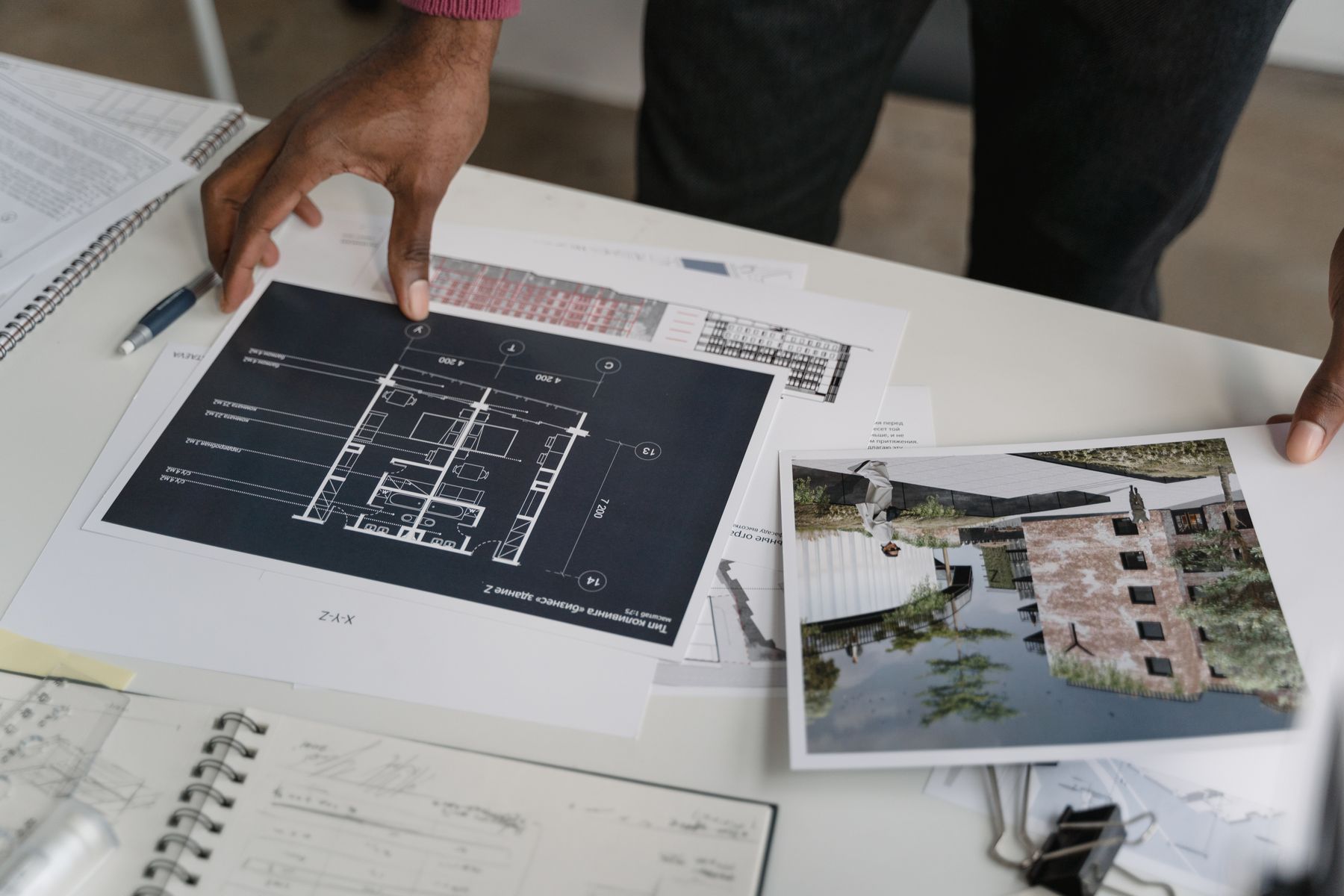
We take off from the current design. Where design is incomplete, the assumption is written down, priced and carried until it is resolved.
- 02
Coded to the schedule
The estimate uses the same WBS and cost codes as the schedule, so the budget loads cleanly and earned value works from the first period.
- 03
Escalation on the real calendar
Cost is spread over the actual construction period, and escalation applies to when the money will be spent, not to a midpoint guess.
- 04
Reconcile every milestone
At each design stage we walk from the last estimate and the contractor’s number to ours, line by line, and explain every movement.
- 05
Contingency from the risk register
Each major risk gets a price and an owner. Contingency becomes a list of known exposures, so every drawdown has a reason.
What you walk away with.
Scoped to your project. Native files and plain-English outputs that stay yours when we leave.
A quantity-based estimate at each design milestone, with assumptions and exclusions written in plain language a board can read.
The approved budget broken down by WBS and cost code, ready to load into the schedule and the cost system.
A clear walk from the previous estimate or the contractor’s price to ours, so a gap becomes a short list of decisions.
Monthly spend tied to the schedule, so finance teams know when draws, bonds and grants will be needed.
Named risks with likelihood, cost range and owner, summed into a contingency figure the board can follow.
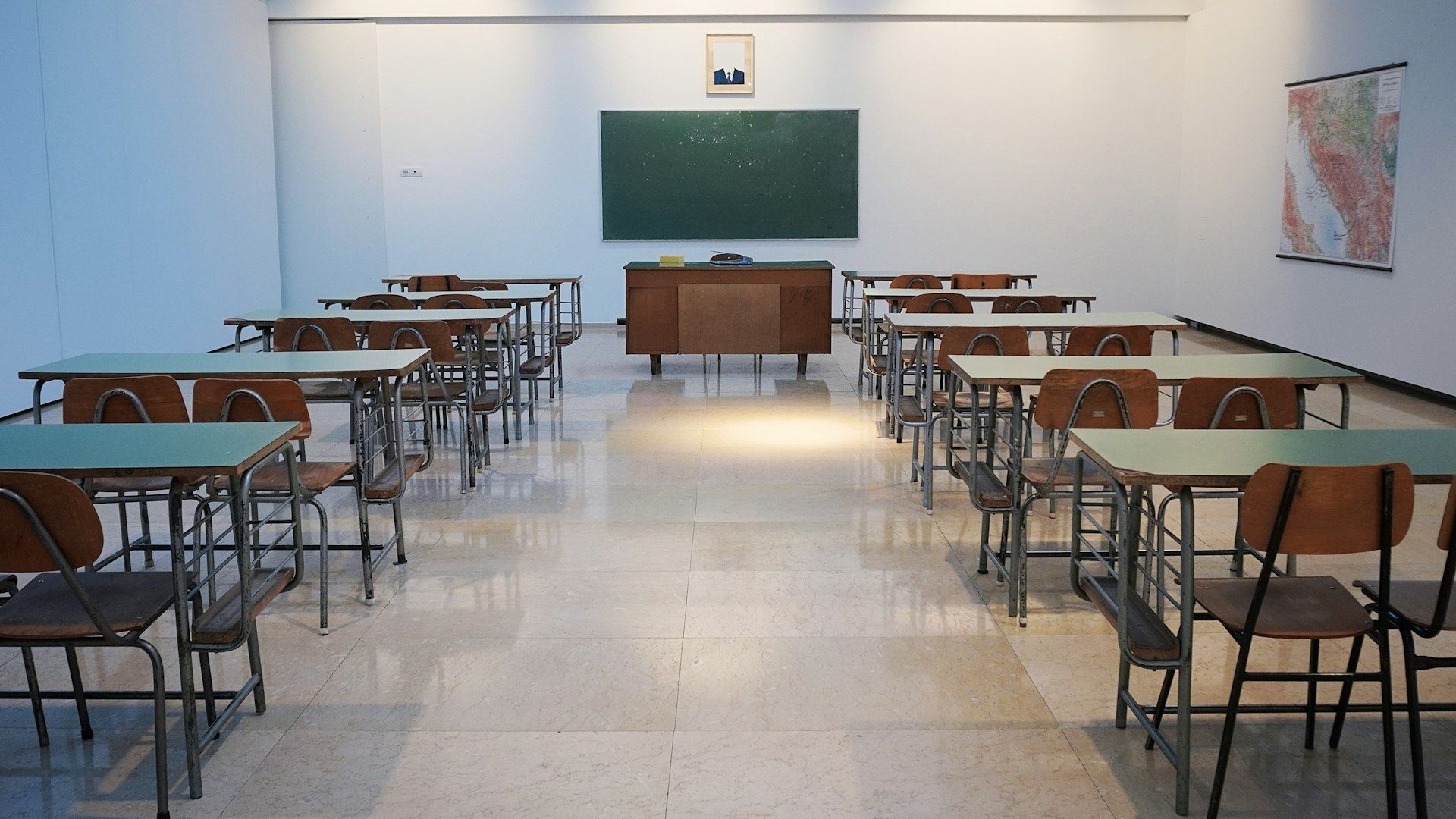
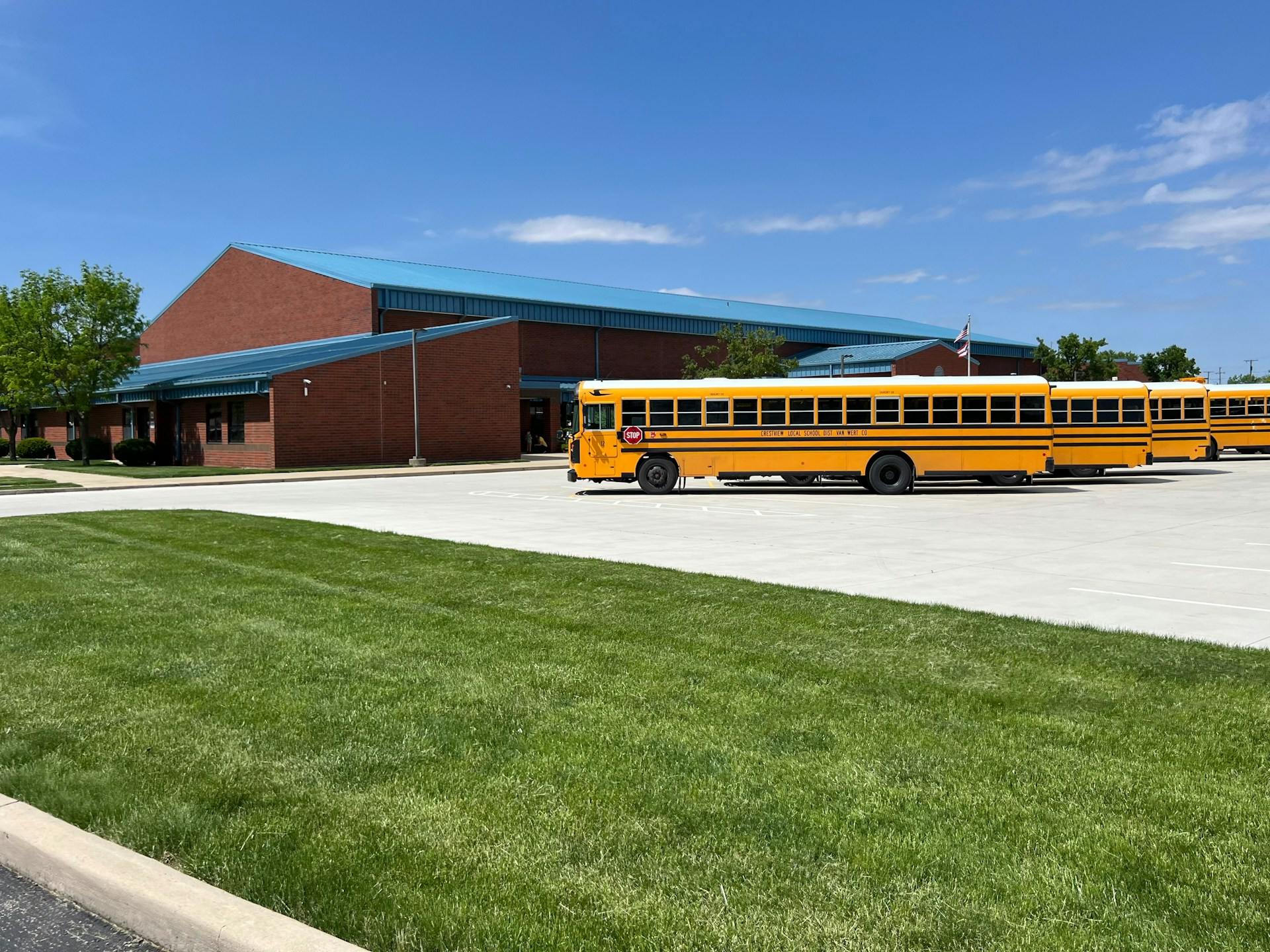
Five schools on the budget voters approved.
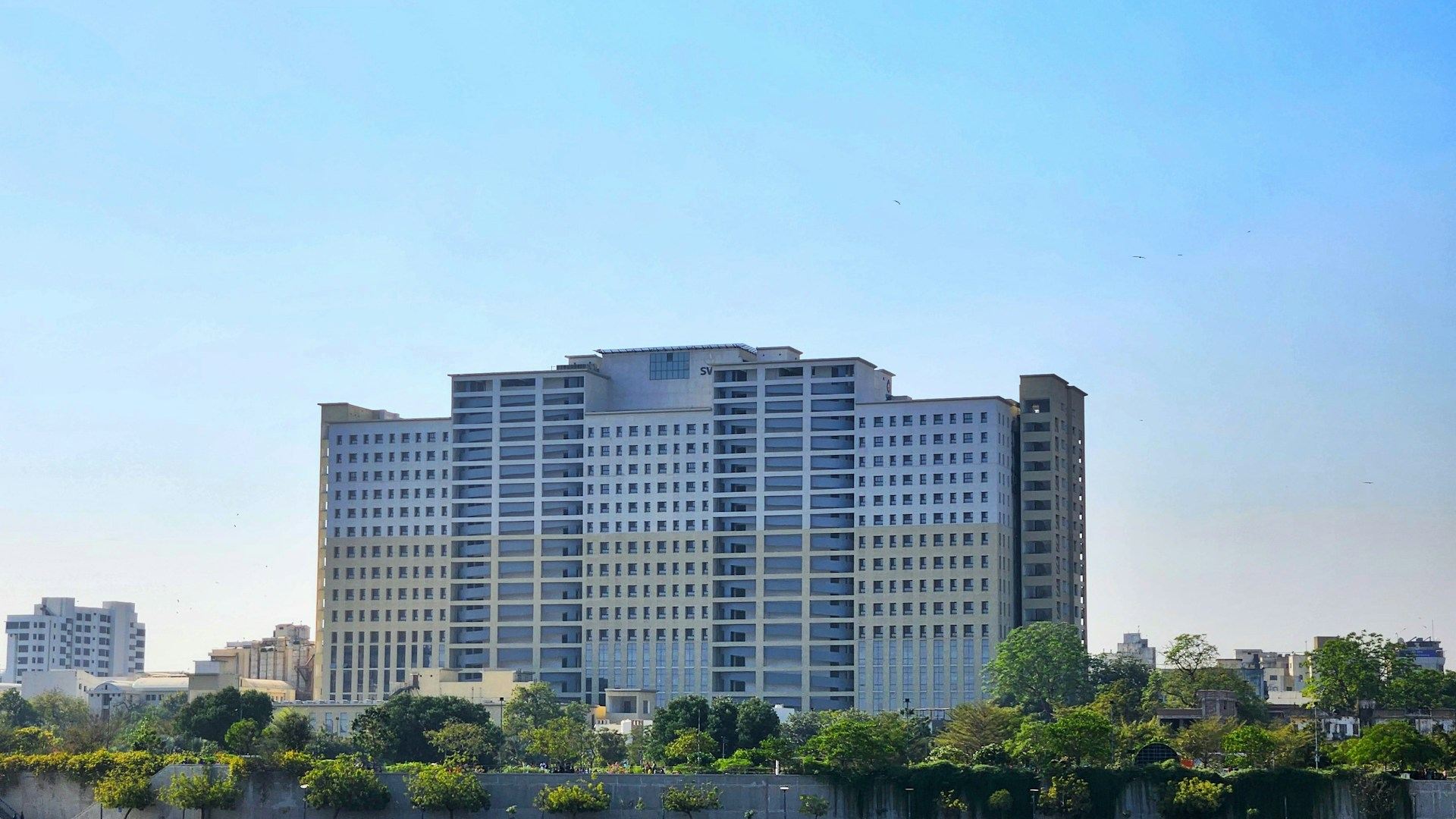
A Texas bond program delivering five new schools CM at-risk over 32 months. Each school carried the same WBS and cost codes as its schedule, and contingency was priced from a named risk register, so every drawdown traced to a reason the board could explain in public. Five sets of doors opened on the first day of class.
- $340M
- Program value
- 5
- Schools, 1 bond program
- 32
- Months, CM at-risk

Straight answers to fair questions.
Are you independent of the contractor?
Yes. On any one project we work for one party, and we have no stake in the price. Our only interest is a number that holds.
Can you check a contractor’s GMP?
Yes. We test scope, quantities, unit costs, allowances, general conditions and contingency, then give you a reconciliation and the questions to settle before you sign.
Why does an estimator care about the schedule?
Because time costs money. Escalation, general conditions and overhead all follow the calendar. Cost of Delay in our Controls Lab shows what one late day is worth on your job.
Send the schedule. See reality early.
Share the project, the latest schedule and the date you are protecting. A senior project controls lead replies within one business day.